How Current Pet Store Trends Are Powering Future Growth
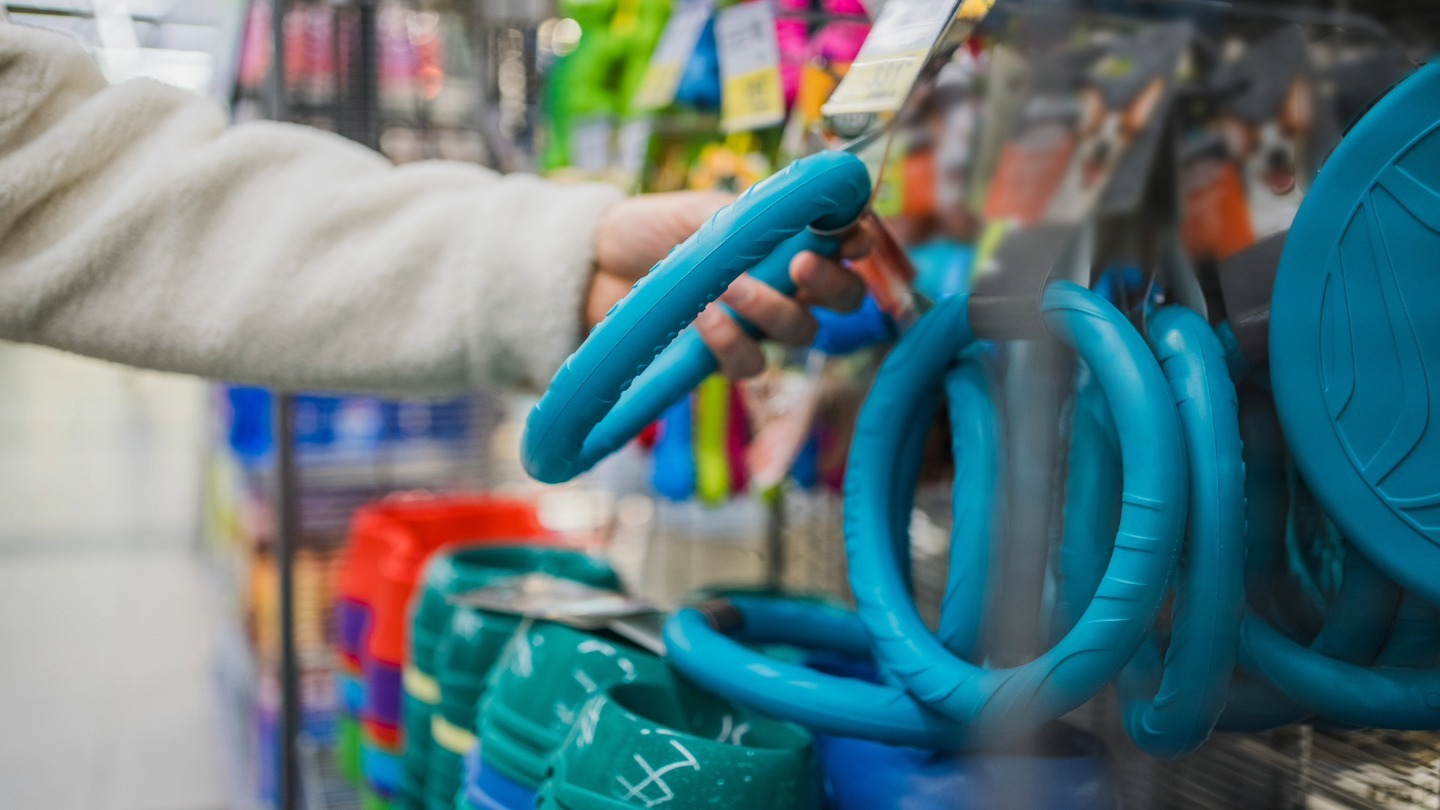
The pet store industry is evolving faster than ever from shifting consumer expectations, growing demand for new products, and the adoption of technology. Pet parents want convenience, personalization, and wellness-focused solutions, which creates both challenges and opportunities for stores.
Pet retailers of any size need to balance the in-store experience with online engagement, adapt to a changing product landscape, and attract a new generation of pet owners — all while maintaining operational efficiency. The retailers who can keep up with these changes will benefit the most from them.
Pet Store Growth Driven by Changing Consumer Behaviors
According to the American Pet Products Association's (APPA) 2025 State of the Industry Report, U.S. pet ownership grew to 94 million households in 2024, up from 82 million the previous year. Gen Z is leading this expansion, being the highest in multi-pet households and showing strong interest in more exotic pets like birds, fish, and reptiles.
Pet parents are also spending more on wellness and premium products. Functional diets, novel proteins, and smart accessories are catching shoppers' eyes, and more customers are now choosing products with sustainable, clearly labeled packaging. Stores that reflect these shifting preferences are more likely to win repeat customers and stand out in a growing market.
Innovation and Technology Shaping Product Offerings
Technology is changing what pet owners expect — and what stores need to stock. Smart feeders, GPS collars, and connected devices are quickly becoming go-to products for shoppers who want to make care simpler and more personal. At the same time, DIY meal kits and enrichment toys are growing in popularity with pet parents who enjoy taking a more hands-on approach.
Innovation in food and treats is also reshaping the market. Freeze-dried diets, refrigerated cat foods, and raw or mix-at-home meals are giving stores new ways to stand out. Functional ingredients like kelp, manuka honey, and allergen-free proteins are catching on with shoppers looking for healthier, more tailored options.
According to NielsenIQ's SuperZoo 2025 analysis, these shifts are driving growth across categories and changing how retailers think about premium and wellness-focused products.
Sustainability and Packaging as a Competitive Advantage
Whether people are shopping online or in-store, packaging has become a bigger factor in what consumers buy. Products that use packaging with sustainable materials and transparent labels are gaining more traction on busy shelves.
Upcycled ingredients, zero-waste manufacturing, and recyclable or compostable materials are becoming more of an expectation rather than just a nice bonus.
Retailers that offer products with verified sustainability credentials and eye-catching, clear packaging can build trust and increase customer loyalty.
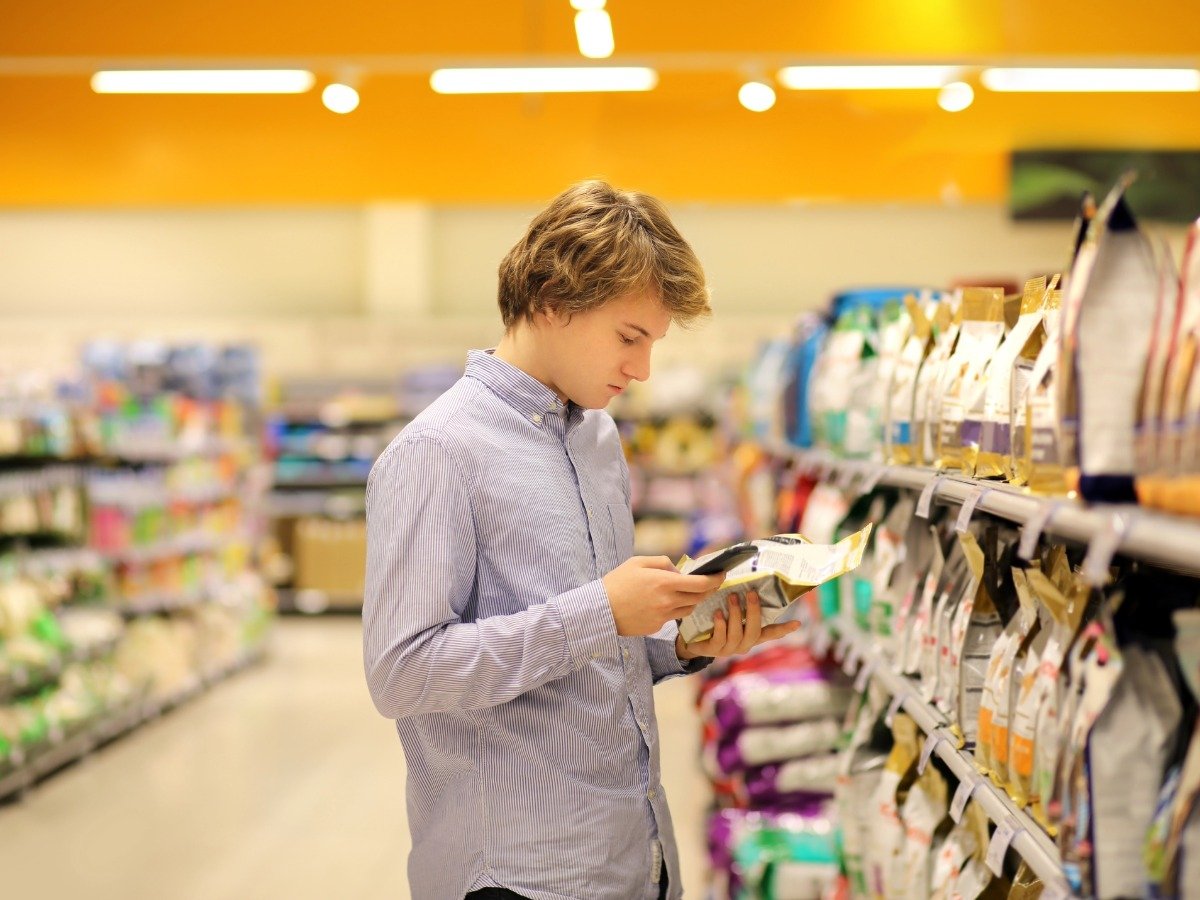
Above: Consumers are increasingly valuing sustainably sourced products with transparent labels.
Reaching the Next Generation of Pet Parents
Gen Z pet owners aren't shopping the same way their parents do. They bounce between online and in-store, and they pay attention to the brands that feel authentic.
The stores that show up online, share helpful info, and keep their digital presence active are the ones getting noticed.
Multi-pet homes, niche pets, and the growing focus on wellness all point to one thing — people want an experience that feels personal, not generic.
Recommendations for Driving Pet Store Growth
If you're looking to keep up with these trends, here's where to focus:
- Sync your in-store and online systems so inventory, pricing, and loyalty stay consistent.
- Stock up on growth areas like premium food, functional ingredients, connected tech, and sustainable packaging.
- Be active online. That's where Gen Z and Millennial pet parents are researching before they buy.
- Use connected retail tools that handle the busy work — things like reordering and data syncing — so your staff can focus on helping customers.
Positioning Your Store for Success
Pet stores that pull all this together — unified systems, real-time data, and a solid handle on customer habits — are setting themselves up to grow. Unified commerce platforms make it easier to run everything in one place, so you can focus on what actually matters: your customers and their pets.
Learn more about FieldStack's unified commerce platform for multi-store pet retailers and PetStack POS for indie pet stores.