Growing Your Pet Store: 5 Tips for Long-Term Success

Running an independent pet store can be incredibly rewarding. And it can also be exhausting.
Between staffing, ordering, customer questions, and the constant pressure to “do more,” long-term strategy and growth often get pushed aside for whatever needs attention that day.
The good news is that indie pet retailers already have something the big boxes spend millions trying to manufacture — trust. Local relationships. Familiar faces. A real place in the community.
These five ideas aren’t about becoming something you’re not. They’re about leaning into what already works, building on that sense of trust, and tightening the parts that quietly hold stores back.
1. Build Strong Community and Customer Relationships
Community isn’t a marketing tactic for independent pet stores. It’s the business model.
While national chains rely on rock bottom pricing and scale, local stores win by being known. That shows up in how staff talk to customers, how problems are handled, and how often the store shows up for the neighborhood outside of selling products.
Pets+ The Big Survey data makes this clear. Nearly all independent pet retailers donate products to local shelters. More than half serve as donation drop-off points. Many also contribute staff time to charitable initiatives. These aren’t one-off gestures — they’re part of how stores build trust over time.
Customers notice. According to Faire’s Main Street Shopping report, more than 65% of Americans visit local shopping districts several times a month, and many are willing to travel up to 30 minutes to support neighborhood businesses. On average, consumers say they’ll spend an additional $150 per month to help local stores succeed.
Community shows up in small ways, too. Such as remembering a customer’s name, asking how their dog is doing after a surgery, and hosting a low-key educational event. Those moments are hard to scale, which is exactly why big-box retailers struggle to compete with them.
2. Improve Inventory Management to Protect Cash Flow
Nothing undermines confidence faster than an empty shelf.
When customers can’t rely on your store to have the products they buy regularly, they adjust. Sometimes quietly. Sometimes permanently. And while the lost sale hurts, the bigger issue is what it does to trust.
Inventory is where many independent stores feel stuck. Ordering often comes down to instinct, limited space, and cash on hand. Pets+ data reflects that reality: 43% of independent pet retailers buy inventory based on what they expect to sell in the next two to three months, while very few plan six months or further ahead. Short-term thinking feels safer, but it can create a cycle of constant reaction.
Stores that grow more predictably tend to look for patterns instead of quick fixes. They pay attention to what consistently sells, what lingers longer than it should, and how demand changes throughout the year.
Over time, inventory stops being a stress point and starts supporting cash flow instead of draining it.
.jpeg?width=1200&height=900&name=Blog%20Images%202-88%20(1).jpeg)
Above: Keeping customer favorites in stock is one of the best ways to generate loyalty.
3. Use Data to Make Smarter Decisions
Which products actually bring customers back?
Many retailers have a guess. Fewer have proof. And most are still underusing their customer data, relying on assumptions that don’t fully reflect how shoppers behave over time.
You don’t need complicated dashboards to learn something useful. Looking at how products sell over time, how often items are reordered, and how customers tend to shop can surface patterns that directly influence purchasing, merchandising, and marketing decisions.
When used consistently, data doesn’t replace instinct — it sharpens it. And it allows growth decisions to feel intentional instead of reactive.
4. Build Processes That Scale
Is your operation experiencing growing pains?
As your business grows, your processes should, too. What worked well when one person was responsible for everything starts to fall apart as soon as you add staff, services, or locations. Scaling isn’t about longer hours. It’s about reducing the number of decisions that rely on memory.
That usually means tightening a few core areas:
- How new employees are onboarded
- How inventory is stocked and checked
- How responsibilities are communicated
- How workflows are reviewed and adjusted
Clear processes don’t make a store feel corporate. They make it calmer. Teams work more confidently, mistakes happen less often, and owners get space to focus on growth instead of constant troubleshooting.
5. Invest in Technology That Grows with You
Technology should support how independent stores operate — not force them to change who they are.
When inventory, sales, and customer data live in connected systems, retailers gain clarity. Patterns become easier to spot. Planning feels less like guesswork. Decisions happen faster, and with more confidence.
Connected data makes it possible to:
- See pet industry trends across products and categories
- Understand what drives repeat visits
- Plan inventory more accurately
- Personalize communication without losing authenticity
For smaller stores, PetStack provides a simple, scalable way to connect these pieces. Larger or multi-location retailers can use FieldStack for deeper operational visibility. In both cases, the goal isn’t replacing the personal touch — it’s protecting it.
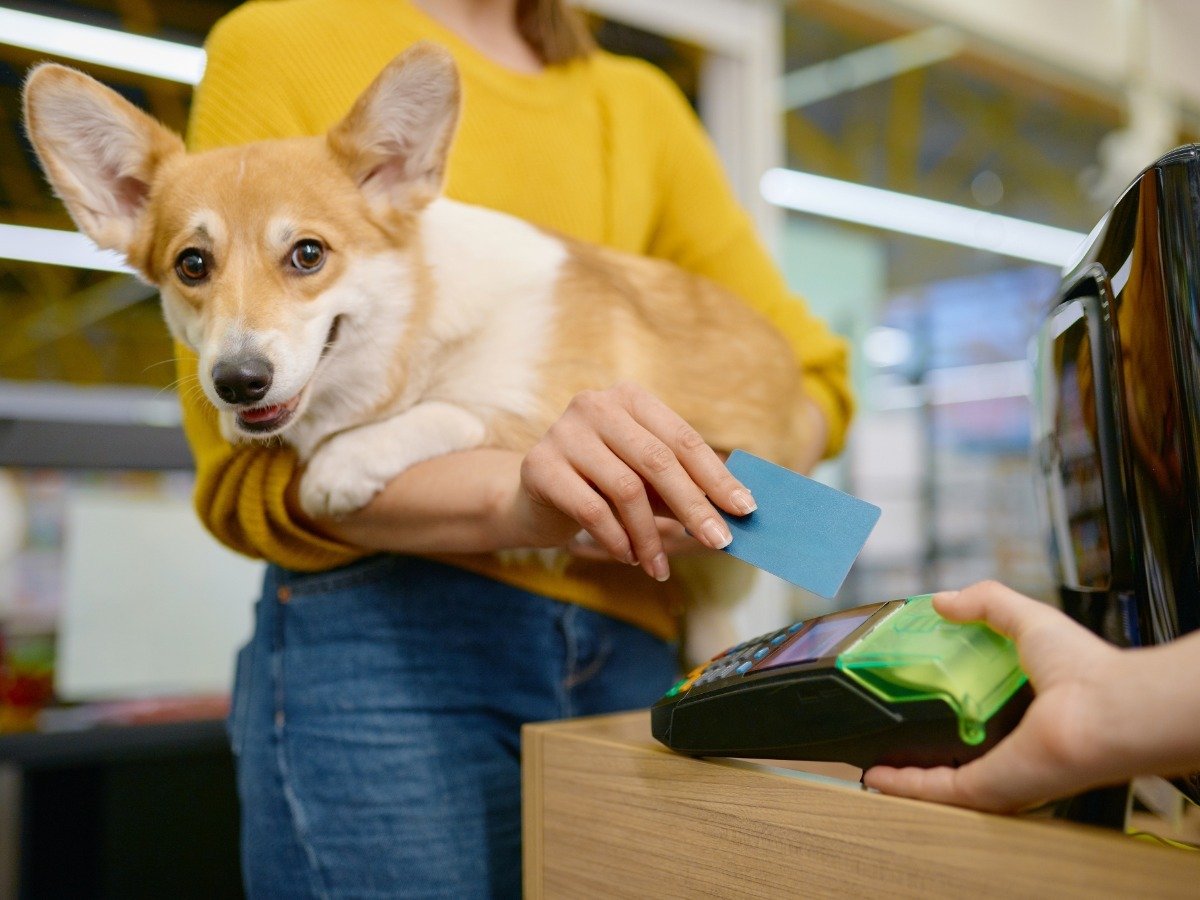
Above: Tech should help your pet store grow without disrupting the customer experience.
Planning for Long-Term Success
Independent pet stores don’t win by copying big-box retailers. They win by doing what big boxes can’t, backed by smarter operations and better visibility.
If you’re thinking about growth and want help figuring out which solution fits your pet business best, contact us to learn whether PetStack or FieldStack is the right next step.