7 Common Pet Store Inventory Challenges and Practical Ways to Solve Them

Ask a group of pet retailers about inventory management, and you'll hear a lot of the same frustrations.
Products that don't move. Products that move too quickly. Suppliers that don't deliver on schedule. Seasonal demand that's harder to predict than expected.
While every store is different, many of the underlying challenges are surprisingly similar.
Here are seven common inventory challenges pet retailers face and practical ways to solve them.
1. The Products Customers Need Most Are Usually the Ones That Run Out First
Pet owners are people of habit.
When they find pet food that works, they stick with it. The same goes for litter, supplements, treats, and other recurring purchases.
That creates a unique challenge. The products that matter most to your customers are often the products they aren't willing to substitute.
A customer shopping for toys might be willing to try something new. But a customer shopping for the specific kibble their dog has eaten for the last three years is much less flexible.
Many stockouts don't happen because retailers forgot to order inventory. They happen because demand changed faster than expected or because a shipment arrived later than planned.
The stores that consistently stay ahead of this problem tend to know exactly which products drive repeat visits, how much to keep on hand, and how quickly those products are moving.
2. Sometimes the Bigger Problem Is What's Not Moving
Most inventory conversations focus on stockouts.
Overstock deserves just as much attention.
Every pet retailer has products that looked promising when they were ordered. Maybe it was a new brand. Maybe it was a seasonal item. Maybe customers showed interest but never followed through with purchases.
Months later, those products are still sitting on the shelf.
The obvious issue is shelf space. The less obvious issue is cash flow.
Inventory sitting untouched for six months isn't just taking up room. It's money that could have been invested in products customers are actively buying.
One useful exercise is to periodically look at your slowest-moving inventory and ask a simple question:
"If I didn't already own this inventory, would I buy it again today?"
The answer reveals a lot.
3. Seasonal Demand Doesn't Always Follow the Calendar
Some inventory trends are easy to anticipate.
Holiday toys sell before the holidays. Winter apparel sells when temperatures drop.
Others are much harder to predict.
A particularly wet spring can drive demand for flea and tick prevention earlier than expected. A warmer winter can leave cold-weather inventory sitting longer than planned. Local events, weather patterns, and even economic conditions can influence what customers buy.
Historical sales data matters, but retailers who rely exclusively on last year's numbers can still find themselves caught off guard.
Instead of building seasonal inventory plans once and revisiting them months later, create a simple habit of reviewing sales trends, local conditions, and vendor lead times more frequently during seasonal transitions. Small forecasting adjustments made weekly are often easier and less expensive than reacting after demand has already shifted.
4. Expiration Dates Add Another Layer of Complexity
A clothing retailer doesn't worry about their inventory expiring or going bad.
Pet retailers do.
Food, treats, supplements, and other consumable products all come with expiration dates. That means inventory decisions aren't just about how much product to carry. They're also about how quickly that product needs to move.
Most retailers learn this lesson the hard way at some point.
The goal isn't simply avoiding expired inventory. It's creating processes that ensure products are rotated properly long before expiration becomes a concern.
Small habits, like checking dates during receiving and rotating inventory regularly, often prevent much bigger problems later.
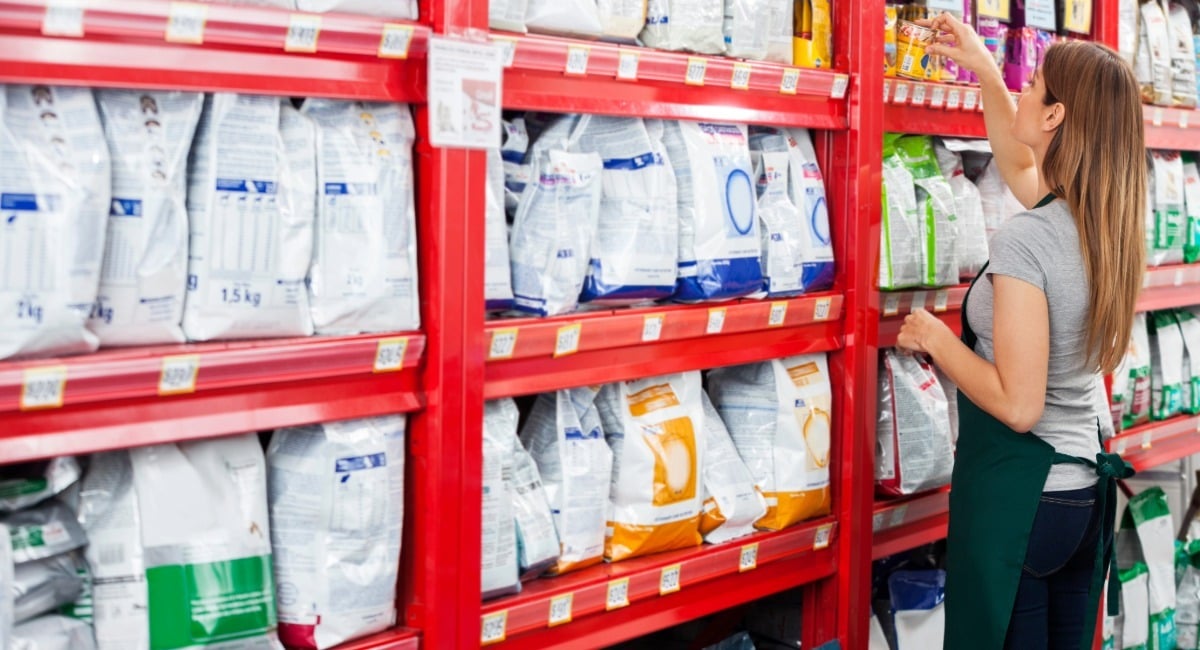
Above: Expiration dates add a layer of complexity for pet stores.
5. Inventory Gets More Complicated With Every New Location
The jump from one store to two stores changes everything.
Now inventory isn't just about ordering and receiving. It's about visibility.
One location might be overstocked while another is running low. One store may sell through a product twice as fast as another. Transfers become common. Inventory decisions become less obvious.
Growing your pet business is exciting, but inventory coordination becomes increasingly important as operations expand.
That's usually the point where inventory management becomes less about individual stores and more about the business as a whole. Having consistent processes and visibility across locations makes it much easier to balance inventory, coordinate transfers, and make purchasing decisions with confidence.
6. Vendors Don't Always Cooperate With Your Forecast
Every inventory plan looks great until a supplier misses a shipment.
Or changes lead times.
Or unexpectedly runs out of a product.
Pet retailers often work with a mix of distributors and manufacturers, all operating on different schedules and constraints. Even the best inventory plans can be disrupted when supply issues emerge.
That's why experienced retailers tend to build flexibility into their purchasing strategies.
They understand that demand forecasting is only half the equation. The other half is understanding how reliably products can actually be replenished. Maintaining strong relationships with vendors can also create more flexibility when disruptions happen, making it easier to communicate changes, adjust orders, and respond faster when supply issues emerge.
7. It's Easy to Focus on Inventory Counts and Miss the Bigger Picture
Ask most retailers how inventory is performing and they'll usually start with stock levels.
But inventory management is about much more than knowing how many units are sitting on a shelf.
Which products are turning fastest?
Which categories consistently underperform?
How much inventory is sitting untouched for months?
Which vendors create the most supply challenges?
Those questions often reveal more than a simple inventory count ever could.
The most successful pet retailers don't just track inventory. They use inventory data to make better purchasing decisions over time.
Building Better Inventory Habits Starts with Visibility
Inventory management may never be the most exciting part of running your pet store.
But it has a way of touching almost every other part of the business.
When inventory is healthy, customers find what they need, employees spend less time chasing answers, and retailers can make decisions with more confidence.
The challenges themselves aren't going away. Pet retail will always involve balancing demand, suppliers, seasonality, and customer expectations.
The difference is that the best operators recognize those challenges early and build processes that keep small inventory issues from becoming expensive ones.
See How PetStack Helps Simplify Inventory Management
PetStack helps independent pet retailers manage inventory, in-store and online sales, promotions, loyalty, and more from a single platform. If you're looking for a simpler way to keep inventory aligned with customer demand, schedule a discovery call or click here to learn more.
Related: 4 Pet Store Inventory Management Questions Every Owner Should Ask