Demand Forecasting for Retail: What It Is and How to Do It Right
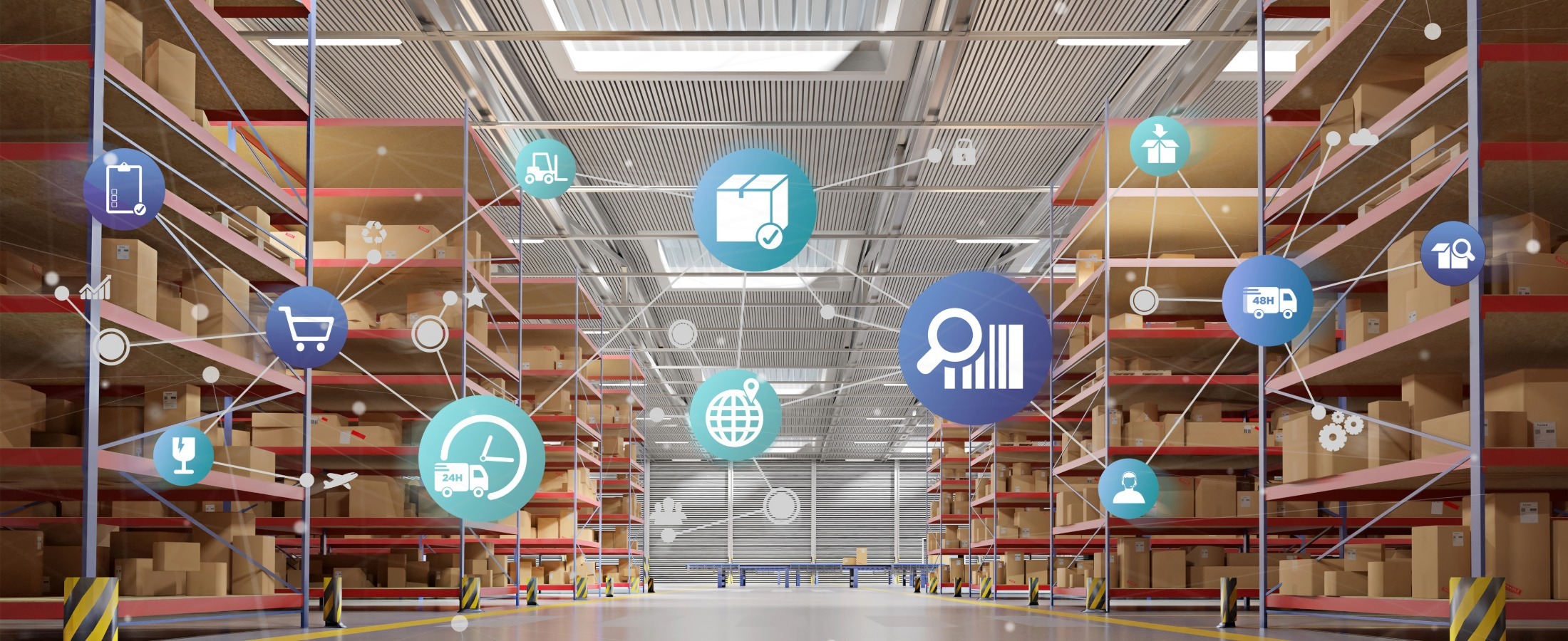
Inventory is often the single biggest asset on a specialty retailer’s balance sheet. Get forecasting wrong, and you’re either sitting on dead stock burning cash or out of stock, losing sales you may never recover. The margin between a healthy retail operation and a struggling one often comes down to inventory turns — and that’s where demand forecasting comes in.
In this blog, we’ll explain what demand forecasting is, why it matters, and how modern retailers can make smarter inventory decisions.
What Is Demand Forecasting in Retail?
At its core, demand forecasting is predicting how much of each product you’ll need, and when, so you can meet customer demand without overstocking or understocking. For retailers, it’s not just about keeping shelves full; it’s about optimizing cash flow, margins, and customer satisfaction.
Accurate forecasting helps retailers avoid costly mistakes: over-ordering products that sit unsold or under-ordering items that customers want.
Both can hurt the bottom line.
Why Accurate Forecasting Is Critical
Forecasting is the engine behind every well-run specialty retailer. Without it, you’re left guessing — and guesswork often results in lost revenue or wasted capital. By understanding patterns like seasonal demand, regional preferences, and historical sales trends, retailers can make more informed purchasing decisions.
The Role of Technology in Demand Forecasting
Retailers often try to piece together forecasting from multiple disconnected systems. They review in-store and online sales data, look for patterns, and attempt to forecast their demand from there. That approach often leads to delays and errors that could easily be avoided.
With a unified platform like FieldStack, all these data points exist in one place. Forecasting models work with real-time sell-through, actual on-hand inventory across all locations, vendor lead times, and seasonal patterns — without the integration lag that slows traditional systems.
As Brett Wickard, FieldStack Founder & CEO, explains,
“Most retailers are stitching together data from disconnected systems — POS over here, inventory over there, purchasing somewhere else. FieldStack has all of that in one platform, so forecasting isn’t based on a partial picture.”
This connected approach reduces errors and ensures that forecasts reflect true demand, not anomalies. FieldStack can even detect when unusual purchase patterns occur. For example, when a customer stocks up on several units of a slow-moving, seasonal product in multiple stores. Instead of over-ordering to replenish the stock, you can identify it for the anomaly it is.
Nightly Processing and Real-Time Ordering
A powerful inventory management platform typically runs a heavy analytical process overnight, recalculating reorder points, optimizing safety stock, and crunching demand patterns for every SKU across every store. By morning, the system delivers ready-to-use suggested orders, allowing buyers to review and adjust throughout the day without waiting on slow batch jobs.
This approach ensures that retailers never miss a potential sale while also avoiding unnecessary overstock.
Forecasting for Growing Retail Chains
Forecasting challenges grow as retailers expand. Multi-store chains must account for inter-store transfers, regional demand variations, and warehouse allocation. FieldStack’s forecasting engine scales automatically — the same system that manages two stores can handle two hundred without a problem.
This allows retailers to grow without replacing systems or processes, keeping forecasting accurate and manageable no matter the size of the operation.
.jpeg?width=1200&height=900&name=Blog%20Images%203-61%20(1).jpeg)
Above: Scaling your operations shouldn't make forecasting harder. A system like FieldStack scales with you.
Getting Forecasting Right
Before any sophisticated system can help, retailers need clean, accurate data. Poor inventory counts or disconnected systems will undermine even the smartest algorithms.
Brett emphasizes,
“Stop trying to forecast from bad data. Get your foundation right first — clean data, accurate counts, unified systems. Then let the math do its job.”
With the right foundation, retailers can trust demand forecasting to optimize inventory, reduce waste, and keep customers satisfied.
FieldStack in Action
FieldStack brings all these capabilities together in one unified commerce platform. By combining POS, inventory, and purchasing, the system gives retailers a single source of truth. When a sale happens, on-hand inventory updates instantly, feeding into forecasting models in real time. This eliminates delays, reconciliation issues, and guesswork, letting retailers focus on growing their business and serving customers.
FAQ
How does demand forecasting tie into inventory management?
Forecasting predicts how much inventory will be needed, and inventory management ensures it’s in the right place at the right time. Together, they reduce stockouts, overstock, and lost sales.
Can forecasting handle multiple store locations?
Yes. Systems like FieldStack automatically account for regional demand, inter-store transfers, and warehouse allocation, scaling with your business.
Why is unified data important for forecasting?
Disconnected systems often create errors. A unified platform like FieldStack provides a single source of truth, improving accuracy and efficiency.