How to Increase Sales in Retail: 10 Strategies for In-Store and eCommerce Growth
Retail has changed a lot over the past five years. Shoppers constantly move between browsing online, visiting stores, checking their phones for options, and deciding whether to pick up items or have them delivered. Every part of that journey matters, and even small friction points can quietly cost sales. That’s why it’s crucial for retailers to think about sales as one connected experience.
Here are ten strategies we’ve seen work well for retailers, whether in physical stores or online, to create a more unified shopping experience.
Part 1: How to Increase In-Store (Brick-and-Mortar) Sales
Physical stores still influence most buying decisions. Spaces that are organized, inviting, and easy to navigate keep shoppers around longer.
1. Improve Product Availability and Visibility in Stores
If an item isn’t available, customers will usually leave without asking for help. Unfortunately, stores lose sales to stockouts and misplaced inventory more often than they realize.
Stores gain trust when their customers can consistently walk in and find what they're looking for.
Additionally, good product placement encourages discovery. Shoppers notice other items along the way, and a small tweak in layout can lead to extra purchases without feeling pushy.
2. Give Store Associates Better Customer Context
Associates who can access customer data, like previous purchases or preferences, are able to make more helpful suggestions. This makes interactions feel more personal, and customers feel more confident during checkout.
Staff should also be able to see customer loyalty points and promotions. It's exciting for shoppers when someone points out a deal or rewards that they can use on their purchase.
3. Speed Up the In-Store Checkout Experience
Nothing undoes a good shopping experience faster than a long line at the register. Customers notice when a point-of-sale (POS) system is slow or clunky.
We’ve all heard some version of it before: “Sorry about the wait — the system’s being slow today.” Associates say it to lighten the mood, but it’s not a situation retailers should be putting their teams in.
One way to speed up checkout is to modernize with a POS that allows tap-to-pay and digital wallet options. Testing from Stripe shows digital wallets can boost conversion by over 20%.
Using FieldStack’s FlexOrder™ gives staff flexibility at checkout, making the experience smoother and keeping customers satisfied.
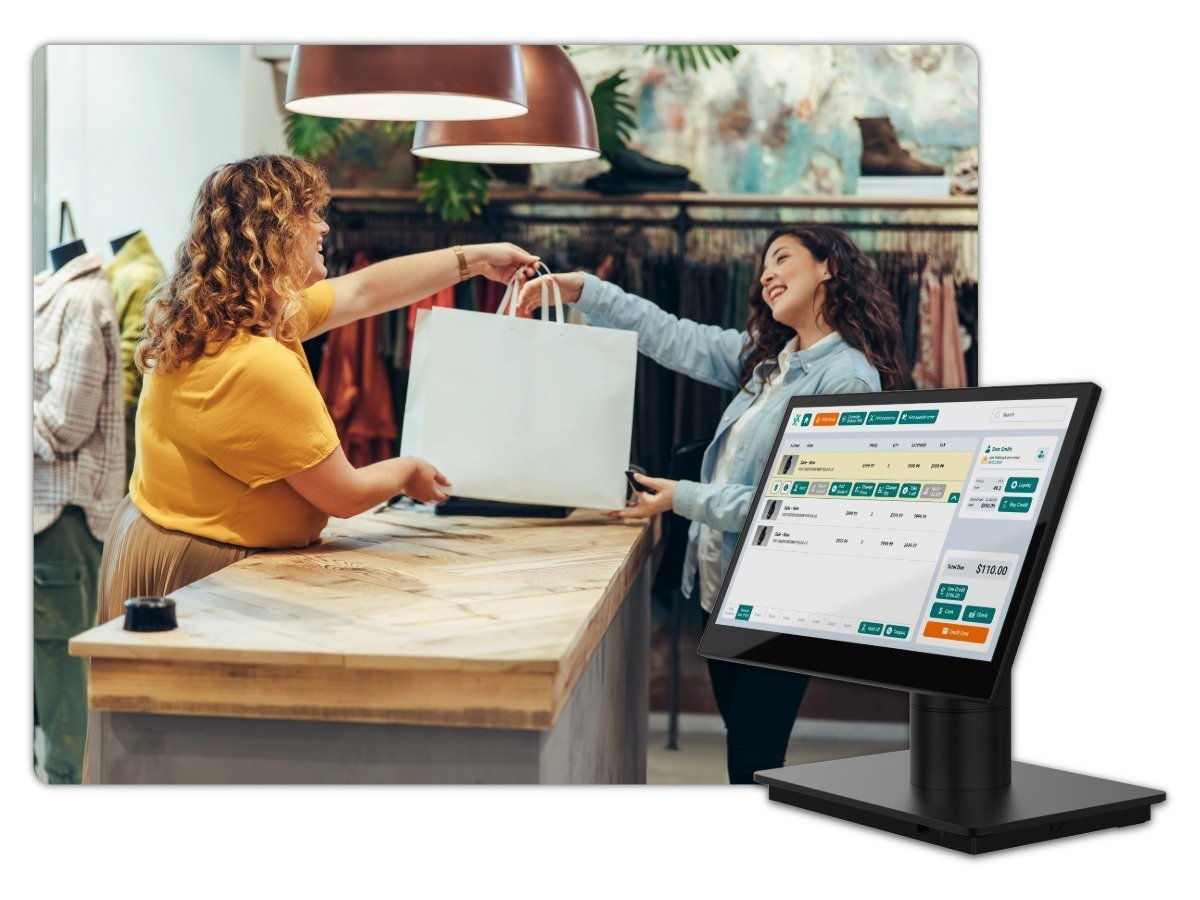
Above: The checkout experience is one of the most crucial times to make a good impression.
4. Invest in Visual Merchandising and Store Experience
Don’t make the mistake of cutting corners here. Too many retailers treat visual merchandising as an extra expense instead of what it really is — a sales driver.
How a store looks makes a difference. People notice when things are easy to find, and they notice when something catches their eye.
Put yourself in your customers’ shoes and walk the floor. What grabs your attention?
A seasonal display, a tidy shelf, or even a small themed area can make someone stop and pick up something they weren’t planning on buying.
5. Drive Foot Traffic Through Local Marketing
Getting people through your doors can be the hardest part of making sales. Your store can be great, but people need to have a reason to go in.
Hosting a local event or teaming up with a nearby business can pull in shoppers who weren’t planning to stop by, and ads that target your neighborhood or small in-store promotions give regulars a reason to swing by more often.
LOMA reports that local marketing can produce 3.5× higher engagement and 47% higher conversion than national campaigns.
Part 2: How to Increase eCommerce Sales
Selling online lets you reach more customers, but it's hard to meet their expectations. Shoppers expect flexible checkout options, personalized browsing, and in-stock visibility. If your eCommerce platform doesn't offer these options, customers will shop somewhere else.
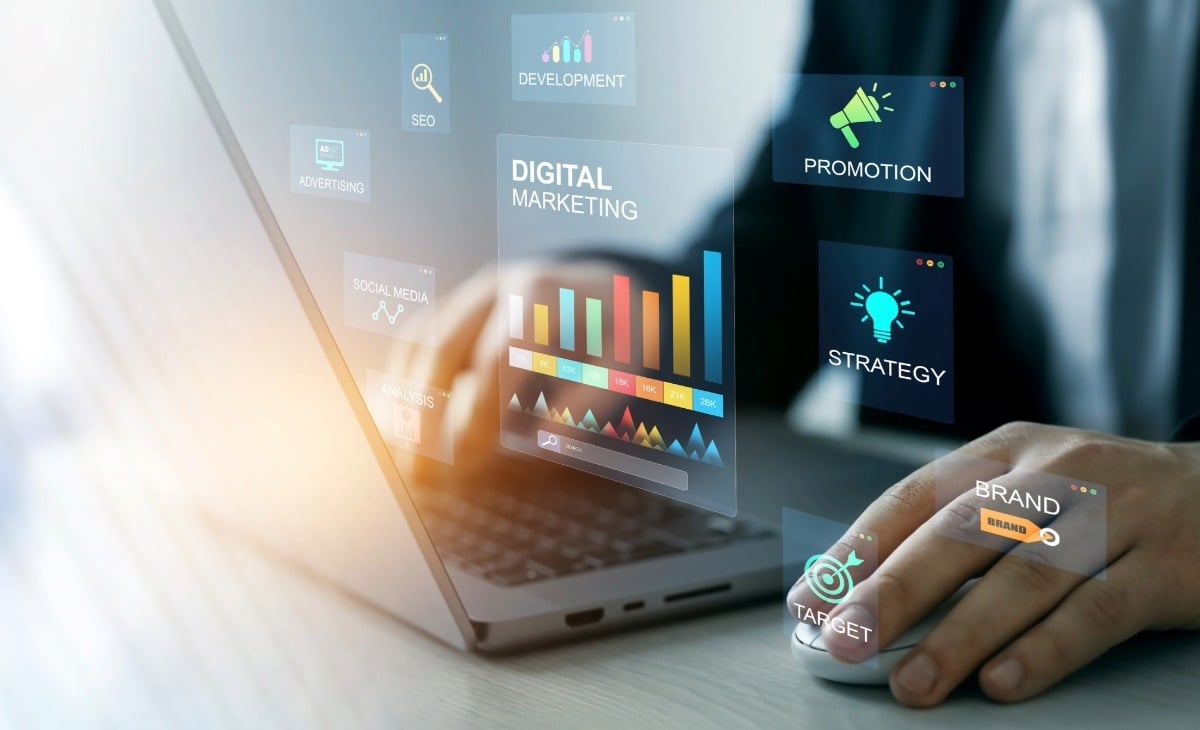
Above: Online shoppers want things to be simple: easy to find, easy to buy, and easy to get.
6. Provide Accurate, Real-Time Inventory Information Online
Shoppers like to know that what they want is actually available. Nothing is more disappointing than seeing an item online only to find it out of stock.
Keeping inventory up to date across all channels with real-time inventory makes buying decisions easier. It also opens up options like in-store pickup, which has been getting more popular with retailers and their customers.
7. Make eCommerce Products Easier to Find
Shoppers can get frustrated when a website is hard to navigate or search results aren’t relevant. Simple product filters and categories can help people find what they’re looking for.
A little attention to how products are organized can make a big difference. Customers end up exploring more, noticing items they might not have planned to buy, and completing their orders faster.
8. Personalize the Online Shopping Experience
Customers respond strongly to relevance. Product recommendations based on browsing or purchasing behavior can dramatically improve engagement and average order value.
Retailers that use customer data to highlight related products, tailored promotions, or personalized content create a more connected experience that encourages repeat purchases.
9. Build Brand Awareness Through Digital Marketing and Social Media
Traffic drives sales, but attention is harder to earn than ever. Paid campaigns, social engagement, influencer collaborations, and content marketing all help expand your reach.
Social commerce is growing. Shoppers discover products directly on Instagram or TikTok and then decide to buy online or in-store. Maintaining a consistent presence helps stores stay top-of-mind.
10. Simplify the eCommerce Checkout Process
Cart abandonment is a big challenge. Complicated forms, surprise shipping costs, or limited payment options often make shoppers leave.
Flexible checkout and clear delivery information reduce friction. The right eCommerce platform makes it easy to offer multiple payment options. We’ve noticed stores see more completed purchases when customers can pay however they want.
.jpeg?width=1200&height=730&name=Blog%20Images%203-30-Within%20Blog%20(1).jpeg)
Above: Allowing customers to shop how they want increases purchase rates.
The Advantage of Connecting In-Store and eCommerce Sales
Stores that grow the most treat online and in-person sales as part of the same business. Customers want options. They might browse online, pop into a store, or pick up something the same day.
Unified commerce ties inventory, customer info, and sales data together across channels. People feel confident when shopping. Staff can make better suggestions. Fulfilling orders doesn’t get messy. Stores that connect both sides usually see more sales and steadier growth.
Final Thoughts
Growing sales takes more than promotions or foot traffic. When inventory isn’t accurate or checkout slows things down, even the best in-store and online experiences fall apart.
The retailers that grow consistently focus on the fundamentals. They make it easy for customers to find what they need, trust what’s in stock, and move through checkout without friction — whether they’re shopping in-store or online.
When in-store and eCommerce operations are connected, shopping feels simpler and more reliable for customers. That confidence is what brings people back again and again.
Learn how FieldStack brings your in-store and online operations together.