Back-to-School Shopping Is Changing: What That Means for Retailers

Back-to-school shopping is one of the biggest retail moments of the year, and this year's numbers tell an interesting story. Families are expected to spend more than ever, but that doesn't mean they're shopping the way they have in the past.
Back-to-school shopping offers a pretty good look at how those changes are playing out. K-12 families are expected to spend a record $43.3 billion this year, up from $39.4 billion in 2025, according to the National Retail Federation. Average spending per student is expected to be about $864.
People are paying closer attention to prices, but that doesn't mean the money has disappeared. They're still buying what they need, what they want, and what makes life a little easier. They just aren't necessarily making those purchases at the same time or for the same reasons.
Here's what those changes mean for retailers.
Back-to-School Shopping Is Starting Earlier
Back-to-school used to have a pretty predictable rhythm. Stores started setting things up in the summer, parents made their lists, and somewhere around August, everyone remembered that school was about to start.
Similar to the holiday shopping season, that window has gotten longer.
According to the National Retail Federation, 62% of back-to-school shoppers had already started shopping by early July. But getting started early isn't the same as finishing early. Among shoppers who hadn't finished, nearly half were waiting for better deals, while others were spreading purchases out over time.
Now shoppers are starting early and coming back as the summer goes on.
Back-to-School Spending Is Still Growing Despite Concerns
The “consumers are pulling back” story has been around for a while. There's certainly pressure on household budgets, but it’s easy to look at that observation at the surface level.
People can be careful about one purchase and completely unconcerned about another.
That's showing up in the broader retail numbers. U.S. retail and food-service sales reached $768.6 billion in June, up 6.7% from June 2025, according to the U.S. Census Bureau.
Back-to-school spending is following the same pattern. Families are expected to spend more this year, even while many shoppers are looking for sales and trying to get more value from what they buy.
And convenience is a good reminder that being price-conscious doesn't mean people are unwilling to pay for something that makes life easier.
DoorDash's gross order value increased 36% year over year in the second quarter of 2026, reaching $33.08 billion, as reported by Reuters. People continue to pay for convenience while still watching their spending.
There's no contradiction in wanting a deal on one purchase and paying extra to have something delivered to your door. Consumers don't have one universal spending strategy.

Above: Despite economic pressure, shoppers still need back-to-school gear and are not cutting spending for it.
Sales Start the Shopping Season Long Before School Starts
The early back-to-school season is increasingly tied to the promotional calendar.
Amazon's June Prime Day generated $26.4 billion in U.S. eCommerce sales, up 9.3% from the previous year, according to Adobe data reported by Retail Brew. Back-to-school items were among the popular products shoppers were looking for during the event.
Summer promotions give shoppers a reason to start earlier, but buying one thing during an early sale doesn't mean the rest of the shopping is finished. Many customers will keep looking for deals as the season gets closer.
The result is a back-to-school season where demand can move in pieces rather than arriving all at once.
Why Physical Stores Still Matter for Back-to-School Shopping
For all the attention paid to eCommerce, back-to-school remains a very physical shopping season.
That's particularly relevant for department stores, where back-to-school isn't confined to one aisle or category. We've seen that complexity with our department store clients, where the season can touch a surprisingly large part of the business, and demand doesn't necessarily look the same at every location.
At the same time, the store isn't necessarily where the shopping journey starts or ends. A customer might research something online, check whether it's available, visit a store, and come back later for something else.
To the customer, that's one shopping journey. Behind the scenes, it can involve several different systems.
A Longer Season Makes Demand Harder to Predict
When demand arrives in one concentrated wave, it's easier to think about the season as a single event. When customers start shopping months earlier and continue after the traditional rush, the picture gets a little muddy.
A product can sell quickly during an early promotion and then slow down. Another might sit for weeks before suddenly taking off. One location can move through an assortment while another has plenty left.
And sales data doesn't always explain why.
Was it a promotion? A local school schedule? A competitor running out? A product that happened to be in the right place at the right time?
The decisions made in July can affect what a store has available in August. As the season becomes more spread out, demand forecasting becomes more important, giving retailers a better sense of what's likely to sell, where demand is building, and when inventory needs to move.
So, What Does This Mean for Retailers?
Shoppers haven't stopped spending.
They're still willing to spend, especially when something makes their lives easier. They're also shopping earlier, spreading purchases out, and moving between channels throughout the season.
Capturing that shopper means making the buying experience more convenient. Give them the option to shop online, make inventory easy to check, offer the discounts they're looking for, and make it simple to move between the store and website.
How Retailers Can Keep Up With Changing Shopping Habits
All of that starts with visibility. When your POS, inventory, eCommerce, and order management systems work together, you have a clearer picture of what's happening across the business and can respond as demand changes.
That's what FieldStack is built to do. As a true unified commerce platform, FieldStack gives retailers the visibility they need to make better decisions and keep up with changing shopper behavior.
Related Blogs:
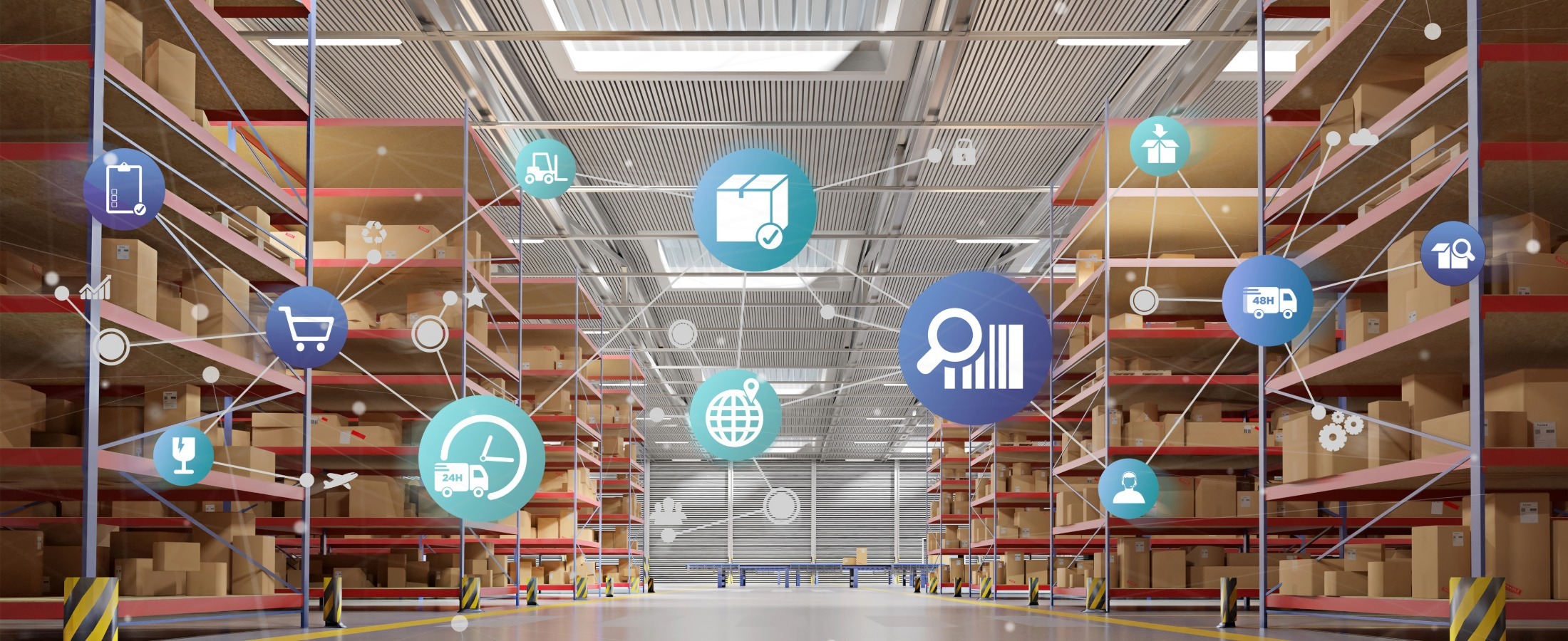 Forecasting
Demand Forecasting for Retail: What It Is and How to Do It Right
Accurate demand forecasting helps retailers predict what they'll need, where they'll need it, and when, reducing stockouts, overstock, and costly inventory decisions.
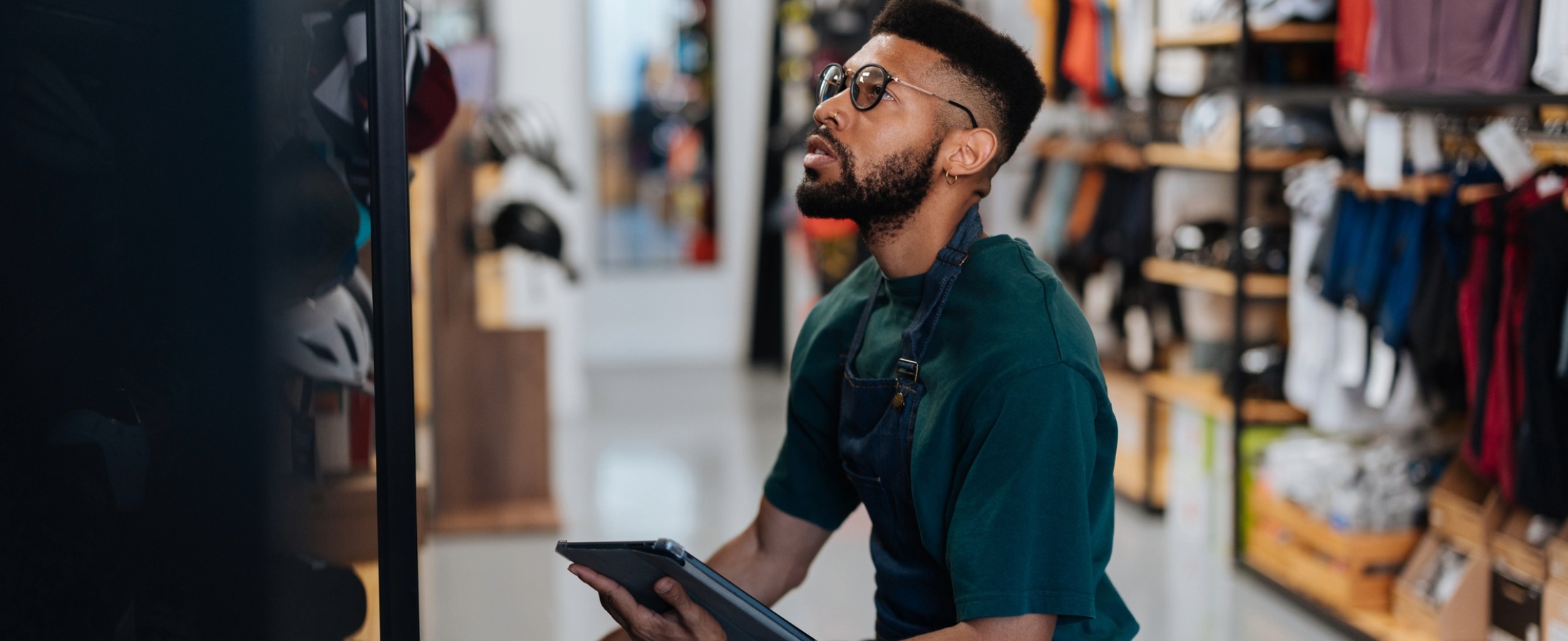 Retail
Retail Management Systems in Multi-Location Retail: What Actually Matters
Multi-location retail gets more complicated as stores, channels, and inventory grow. Here’s what to look for in a retail management system that keeps everything aligned.
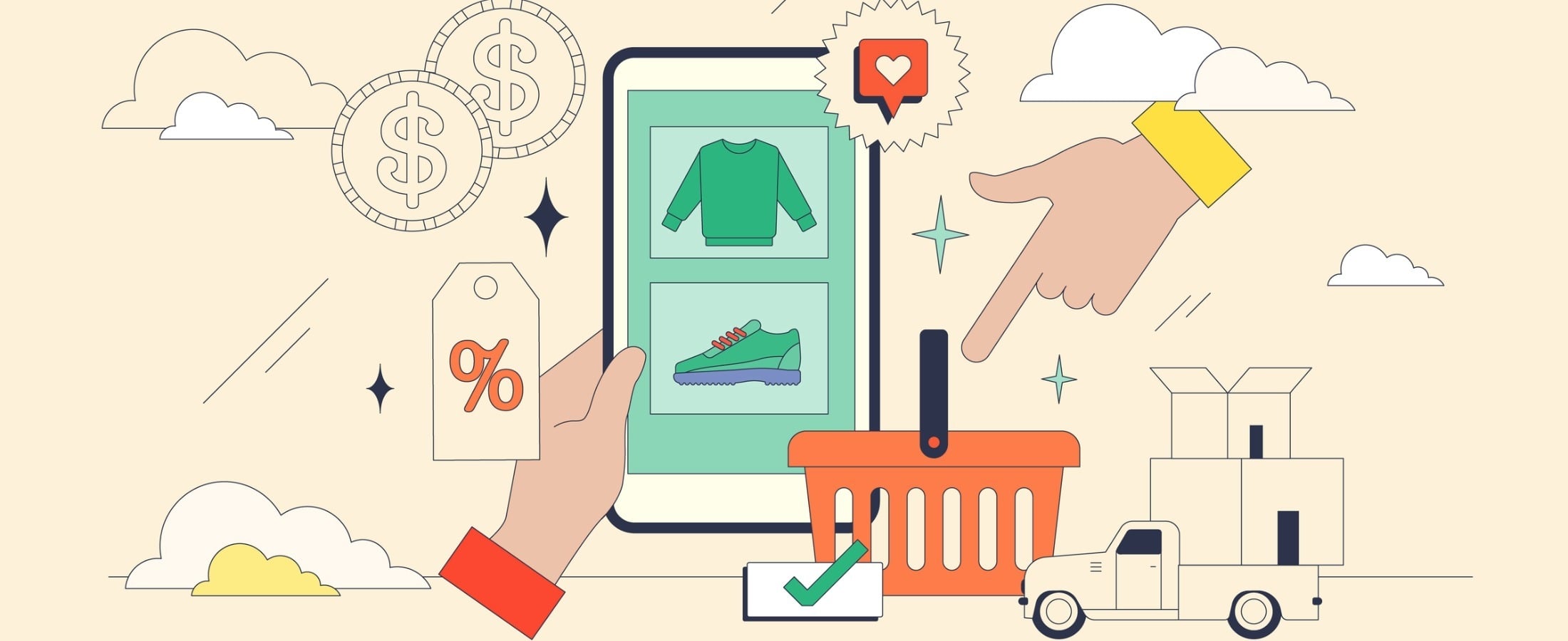 Inventory
Retail Inventory Accuracy: What It Is and How to Measure & Improve It
Inventory accuracy affects everything from purchasing and fulfillment to customer experience. Here’s how retailers can measure it, find the causes of discrepancies, and improve accuracy.