5 Retail Trends That Show Where the Industry Is Headed in 2026
2026 doesn’t mark a new era for retail — it introduces a more demanding one.
Many of the biggest retail trends right now aren’t new ideas or experimental technologies. They’re expectations that retailers are now required to execute consistently, across every store, channel, and customer interaction. What changed isn’t the concepts themselves, but the pressure to make them actually work.
Here are five retail trends shaping how retailers are operating as 2026 begins.
1. Omnichannel is the Baseline. Unified Commerce is the Advantage.
Omnichannel retail has been a talking point for years, but by now it’s no longer a differentiator. Customers expect to browse online, buy in-store, pick up curbside, return anywhere, and receive accurate information at every step.
That expectation isn’t changing in 2026.
What is changing is how retailers support omnichannel operations behind the scenes. Running multiple channels is easy to describe and much harder to manage when inventory, orders, and customer data live in separate systems. That’s where many retailers still struggle.
At NRF 2026, here’s what we heard repeatedly: retailers are tired of cobbled-together stacks. They’re not looking for more tools. They’re looking for systems that actually connect.
Unified commerce is one way to make that happen. It brings sales channels, inventory, reporting, and operations into a single system. The benefit isn’t just visibility; it’s control. Inventory accuracy improves, fulfillment decisions happen faster, and store teams spend less time reconciling mismatched data.
2. Retail Software Is Moving from Feature-Driven to Foundation-Driven
For a long time, retail software decisions were driven by feature checklists. Does it handle promotions? Does it support eCommerce? Can it integrate with this platform or that tool?
That mindset is starting to shift. Retailers are increasingly evaluating software based on whether it can serve as a reliable foundation for growth. As operations become more complex, especially for multi-location retailers, flexibility, scalability, and data consistency matter more than isolated features.
This trend shows up in a few clear ways. Retailers are consolidating tools instead of stacking more of them. They are prioritizing real-time data instead of delayed reports. And they expect systems to support growth without constant workarounds.
The underlying question retailers are asking in 2026 is simple: can this software grow with us, or will it hold us back?
3. Retail Media Networks Are Becoming Full Media Ecosystems
Retail media is no longer just about selling ad placements.
What began as retail media networks has evolved into full retail media ecosystems. Retailers now sit on massive amounts of transactional and behavioral data, and brands want access to insights that go far beyond impressions or clicks.
According to industry reporting from Forbes, retailers and brands are increasingly working together using shared shopping behavior and transaction data to inform marketing decisions, optimize spend, and build longer-term partnerships. Retail media has become a brand-building and analytics opportunity, not just a revenue stream.
This shift also raises the bar for retailers. To participate effectively, they need clean, accessible data and systems capable of supporting collaboration across teams and partners. Without that foundation, even the most promising retail media initiatives can stall.
4. AI Is Becoming More Operational and Less Experimental
Artificial intelligence remains one of the most talked-about topics in retail, but the conversation is changing.
Retailers are moving away from experimental AI projects and toward practical applications that support daily operations. AI is increasingly being used for demand forecasting, inventory planning, pricing analysis, sales insights, and marketing optimization.
At the same time, research from firms like McKinsey & Company highlights a key reality: many retailers haven’t seen meaningful impact from AI yet. Fragmented systems and inconsistent data continue to limit its effectiveness.
In practice, AI is only as useful as the data feeding it. AI can surface insights quickly, but only when it has clean, connected information to work with.
As 2026 begins, the trend isn’t about adopting AI for the sake of it. It’s about putting the right data and systems in place so AI can actually deliver value — especially in areas like inventory forecasting, pricing decisions, and operational planning.
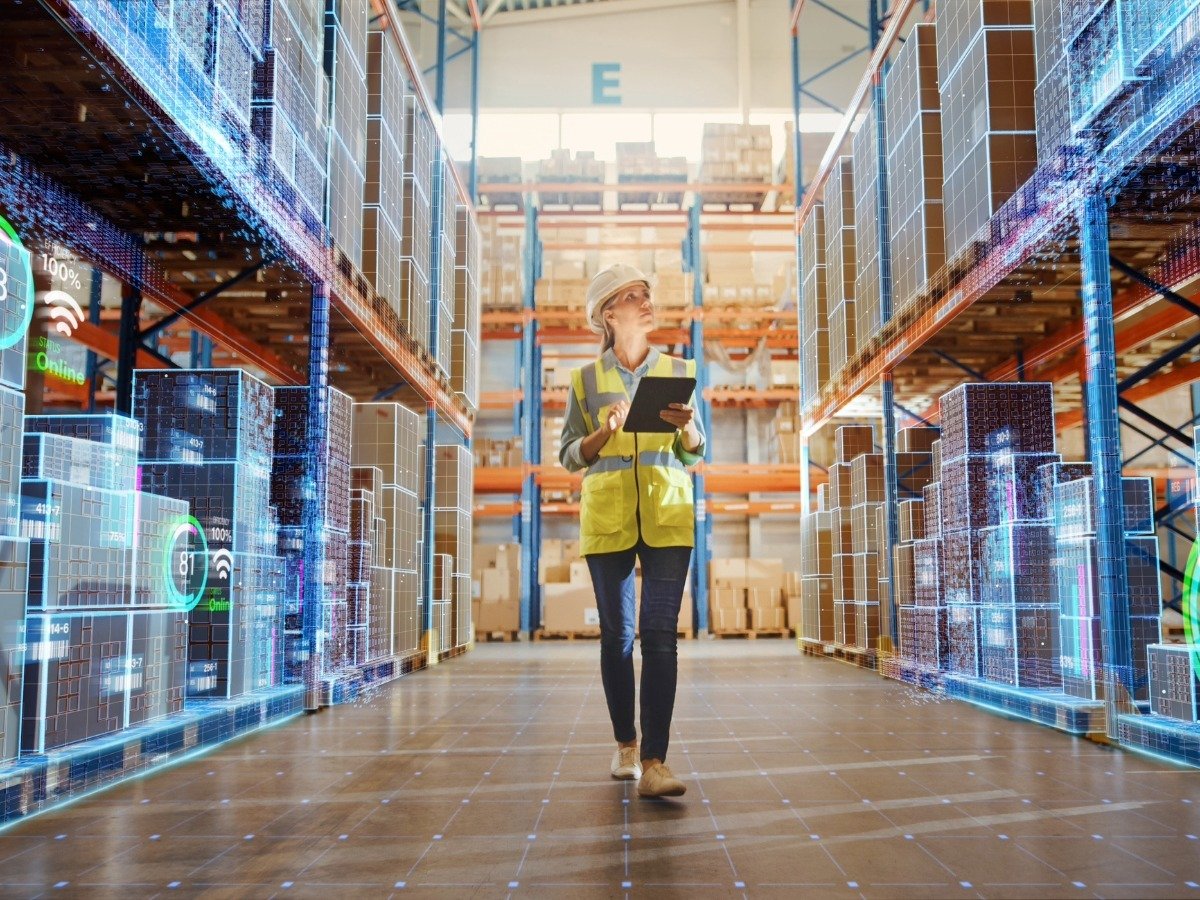
Above: FieldStack's platform uses data-driven insights to help retailers forecast smarter and keep shelves stocked with best-sellers.
5. Merchandising Is Becoming More Data-Led and Less Instinct-Driven
Merchandising has always required a balance of intuition and analysis. What’s changing is how much data is now available to inform those decisions.
Retailers are increasingly relying on store-level performance data, regional demand patterns, and real-time inventory visibility to guide assortments and replenishment strategies. This shift helps reduce overstock, minimize markdowns, and respond faster to changing consumer behavior.
Rather than relying solely on past seasons or gut instinct, merchandising teams are using data to test, adjust, and optimize continuously. The retailers entering the new year with an advantage are those that can surface insights quickly and act fast.
Looking Ahead
The retail trends shaping the industry as 2026 begins are less about chasing what’s new and more about executing what’s expected.
Omnichannel experiences need to work, data needs to be reliable, systems need to scale, and technology needs to support smarter decisions, not create more complexity.
Retailers that focus on building strong foundations will be better positioned to adapt as consumer expectations and market conditions continue to evolve.