Recommerce for Retailers: How to Manage Second-Hand Inventory in Your Stores
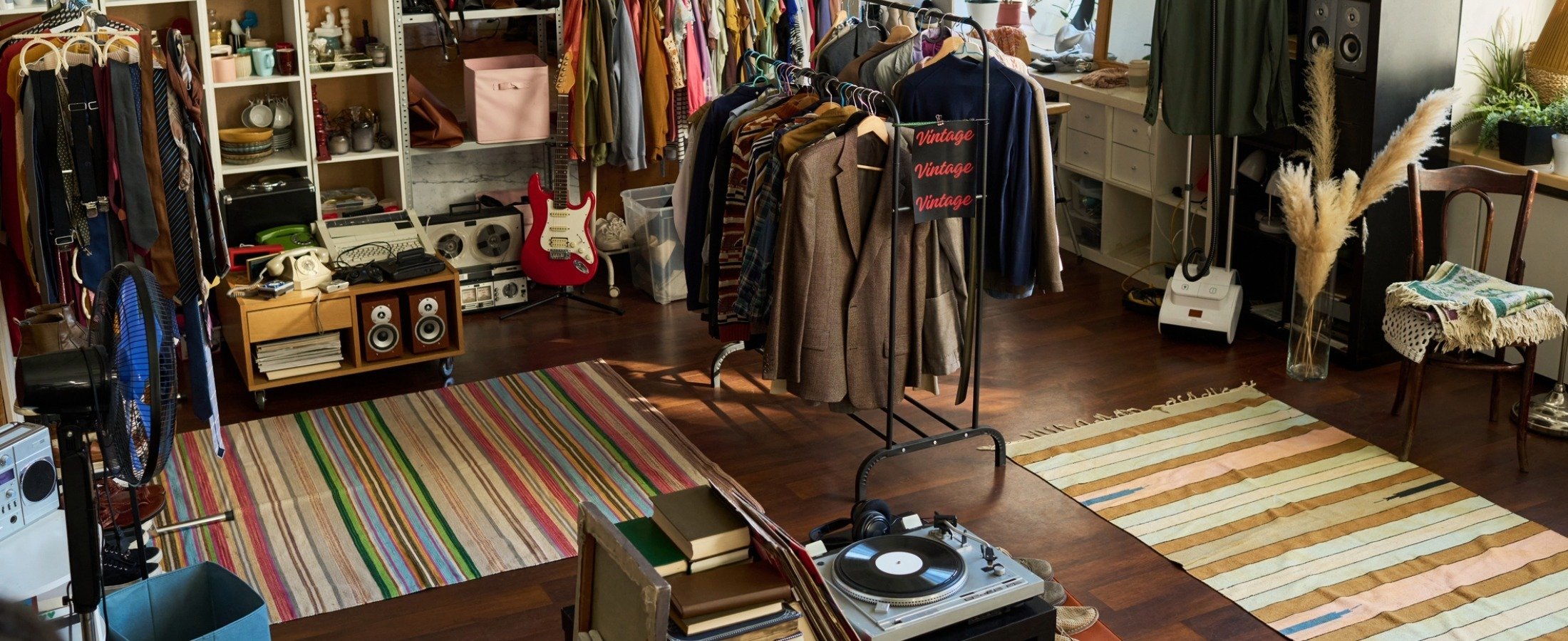
Back in early 2023 we covered the growing recommerce market in this blog post: 8 Reasons Why the Recommerce Trend is Here to Stay in Retail. Since then, recommerce has expanded significantly and become an important part of the retail landscape. Recommerce — also referred to as buyback and resell, resale, or reverse commerce — continues to grow as consumer behavior, economic conditions, and sustainability priorities evolve.
This post explains why resale remains an important trend, highlights recent market data showing growth, and outlines how retail chains can benefit from launching recommerce programs.
Why Recommerce is Still Important Today
Recommerce has continued to gain momentum over the past few years, reinforcing that it’s more than just a passing trend. Recent reports show that secondhand shopping has moved into the mainstream. A 2025 report from OfferUp found that 93% of U.S. consumers bought at least one secondhand item in the past year, and more than half sold something secondhand themselves.
The U.S. recommerce market is projected to grow to over $300 billion by 2030, accounting for a growing share of total retail spending.
This growth reflects broader changes in how consumers shop, including higher participation in secondhand purchases, the fading stigma around resale, and strong interest from younger generations.
What's Driving Growth in Recommerce
Here are the top 3 factors explaining the ongoing rise of recommerce:
1. Wider consumer acceptance
At one point, shopping second-hand carried a stigma. But now, most shoppers are comfortable participating in resale, according to OfferUp. This makes recommerce a natural opportunity for retailers to meet customer expectations.
2. Expansion into multiple categories
Resale isn’t just for clothing anymore. Furniture, electronics, sporting goods, video games, media, apparel, and home items are all part of the growing recommerce market, giving retailers a chance to explore secondhand in more areas of their business.
3. Value and sustainability
Shoppers are looking for more ways to save money and reduce waste. Offering pre-owned products appeals to both priorities, making recommerce a strategy that resonates with customers on multiple levels.
How Retailers Can Benefit from Recommerce
The upside of recommerce is pretty simple for most retailers. You’re taking inventory that would normally be written off and turning it into something you can sell again. Returns, trade-ins, and older products don’t just sit in the back or get heavily discounted. They become part of your assortment.
It also gives customers a reason to come back more often. When there’s always something “new” to find or a chance to trade items in, stores feel more dynamic and worth revisiting.
You’ll usually see a loyalty effect, too. Customers who sell items back tend to stick around and spend that cash back at your store. Issuing store credit also brings customers back — and they’ll often spend more than the value they received for their used items.
Where it gets tricky is on the operational side. If recommerce lives outside your core systems, things get messy fast. Inventory becomes harder to track, online and in-store numbers drift, and your team ends up doing extra work.
That’s why having everything connected matters. When your POS, inventory, and eCommerce are in sync, recommerce fits into your normal workflow instead of adding another layer. With FieldStack, you can manage new and used inventory together, handle buybacks at the register, and keep everything aligned across stores and online.
.png?width=770&height=578&name=Blog%20Images%203-69%20(1).png)
Above: Recommerce is a great way for many retailers to appeal to new markets and offer flexible purchase options.
Checklist for Retailers Considering Recommerce
Before launching a recommerce program, retailers should ensure their systems can do these core things:
✅ Track inventory by condition (example: new, refurbished, used) across channels.
✅ Update online and in-store availability in real time.
✅ Manage buybacks and trade-in transactions at the point-of-sale.
✅ Maintain customer profiles and loyalty across new and resale purchases.
A unified commerce platform like FieldStack makes these requirements easier to meet by connecting POS, inventory, and eCommerce in one system to streamline operations.
Retail Industries that Benefit the Most from Recommerce
Recommerce can work across a wide range of retail categories, but some industries naturally see stronger results because of how their products are used, valued, and resold.
Apparel and Footwear
Clothing has been at the center of recommerce for years. Customers are already comfortable buying and selling secondhand apparel, especially for higher-quality or brand-name items. Trade-in programs and resale sections can drive repeat visits and give retailers a way to extend the lifecycle of their products while keeping customers engaged with apparel stores.
Furniture and Home Goods
Furniture is a natural fit for recommerce. Many items hold value over time and are expensive to replace, which makes secondhand options appealing. Retailers can benefit from buyback or resale programs that give customers a way to upgrade while keeping older items in circulation.
This is especially relevant right now, as the home and furniture category faces a tougher 2026 outlook. According to Retail Dive, declining sales are tied to a sluggish housing market, high interest rates, and cautious consumer spending.
Entertainment Retail (Books, Music, and Video Games)
Entertainment retailers like bookstores, record shops, and video game stores are some of the best fits for recommerce. These businesses already rely on used inventory, and customers are used to coming back often to see what’s been added to the shelves. That’s actually where FieldStack came from. Our founder developed the software to support his own record store, where resale was a core part of the business. When used inventory is always turning over, it creates a more dynamic shopping experience and gives customers a reason to keep coming back.
Above: FieldStack's founder, Brett Wickard, talks about how the software's start in the entertainment industry helps retailers in different categories thrive today.
Sporting Goods and Outdoor Equipment
Sporting goods and outdoor equipment often have long lifecycles but are not always used consistently by customers. This creates a strong opportunity for resale. Customers can trade in equipment they no longer use, while other shoppers can access quality gear at a lower price point. This helps retailers appeal to both new and experienced customers.
Electronics and Specialty Retail
Electronics, tools, and other specialty stores also perform well in recommerce, especially when retailers can inspect, grade, and resell products with confidence. These categories benefit from structured resale programs that ensure quality and transparency, making customers more comfortable purchasing pre-owned items.
Get Started with Recommerce
Recommerce is a growing opportunity that can drive revenue, traffic, and customer loyalty. Retailers that adopt it can capture value from secondhand sales while improving customer loyalty, product assortment, and operational efficiency.
If you’re thinking about adding recommerce, the biggest thing is making sure it doesn’t create more work for your team. FieldStack helps you plug resale directly into your day-to-day operations, so inventory, POS, and eCommerce all stay aligned.
Schedule a discovery call today to see how FieldStack can help your business capitalize on the expanding recommerce market.