Record Store Day: The History Behind the Biggest Day in Music Retail
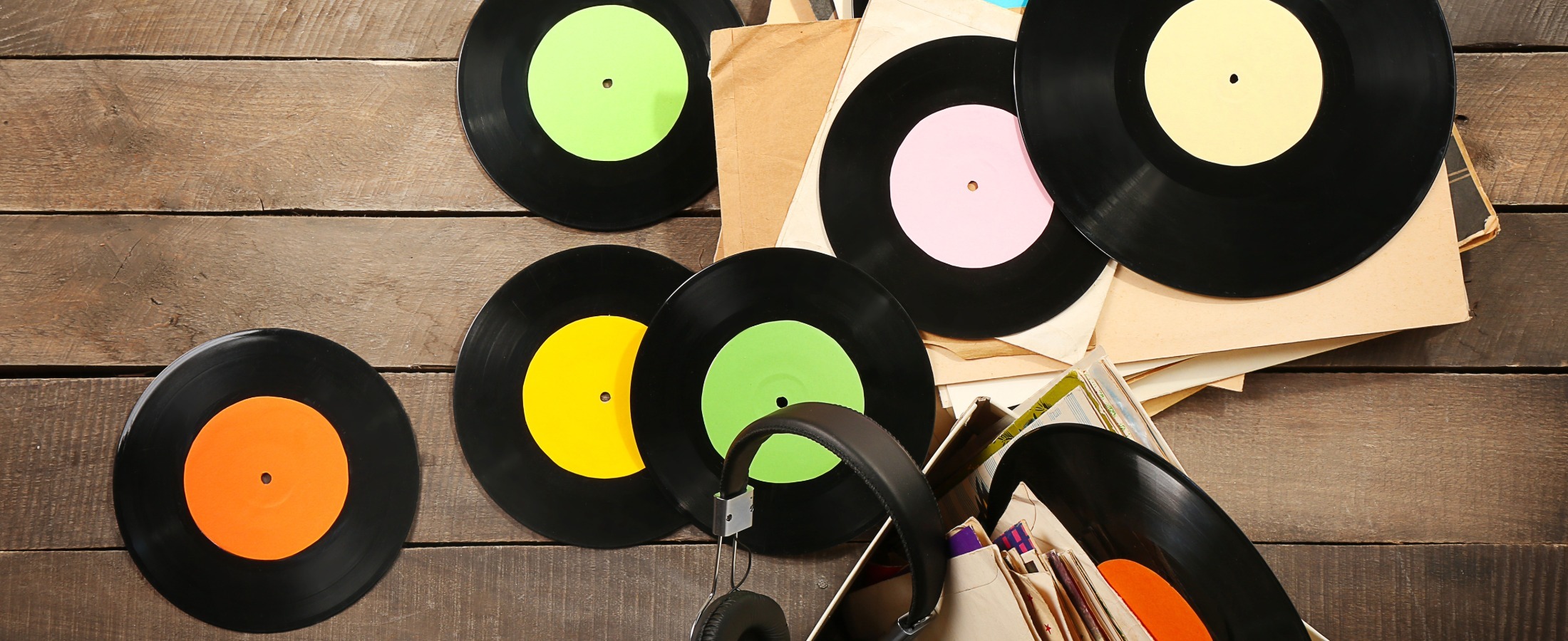
If you've ever worked Record Store Day, you already know how the day goes. The line forms before you open. The same titles come up at the register again and again. The pace doesn't let up, and at some point, you stop thinking about anything except keeping up.
It's controlled chaos in the best possible way. And it started with a pretty simple idea.
Where Record Store Day Started
Back in 2007, a group of independent record store owners met to talk about how to drive traffic back to their brick-and-mortar stores. Independent record stores had been losing ground to big-box retailers and early digital downloads for years.
The idea that came out of those conversations was simple but ambitious: instead of every store trying to generate buzz on its own, what if the entire industry created one shared moment? One day where exclusive releases dropped across hundreds of stores simultaneously, giving customers a real reason to show up. Chris Brown of Bull Moose Music was part of those early discussions and helped shape what that idea became.
The first Record Store Day happened in 2008. It was smaller than what it is today, but it did exactly what it was supposed to do — it got people into stores.
How It Grew
Record Store Day is now one of the most anticipated days on the retail calendar for independent music shops. The number of exclusive releases has grown, and customer demand around the day has grown with it.
For many stores, it's become one of the busiest single days of the year. Inventory moves faster than expected, lines hold through the morning, and staff are simultaneously processing transactions, tracking stock, and helping customers — all at once. It's a day where small gaps in your operation surface quickly, because there's no time to address anything mid-rush.
Why It Still Matters
What Record Store Day does better than almost any other retail event is bring in people who wouldn't otherwise walk through the door — people who haven't been in a record store in years, or who have never been in one at all. Most promotional efforts reach the people who are already engaged. RSD consistently goes beyond that.
For independent shops, it remains one of the only moments in the year where that level of foot traffic is predictable enough to actually plan around.
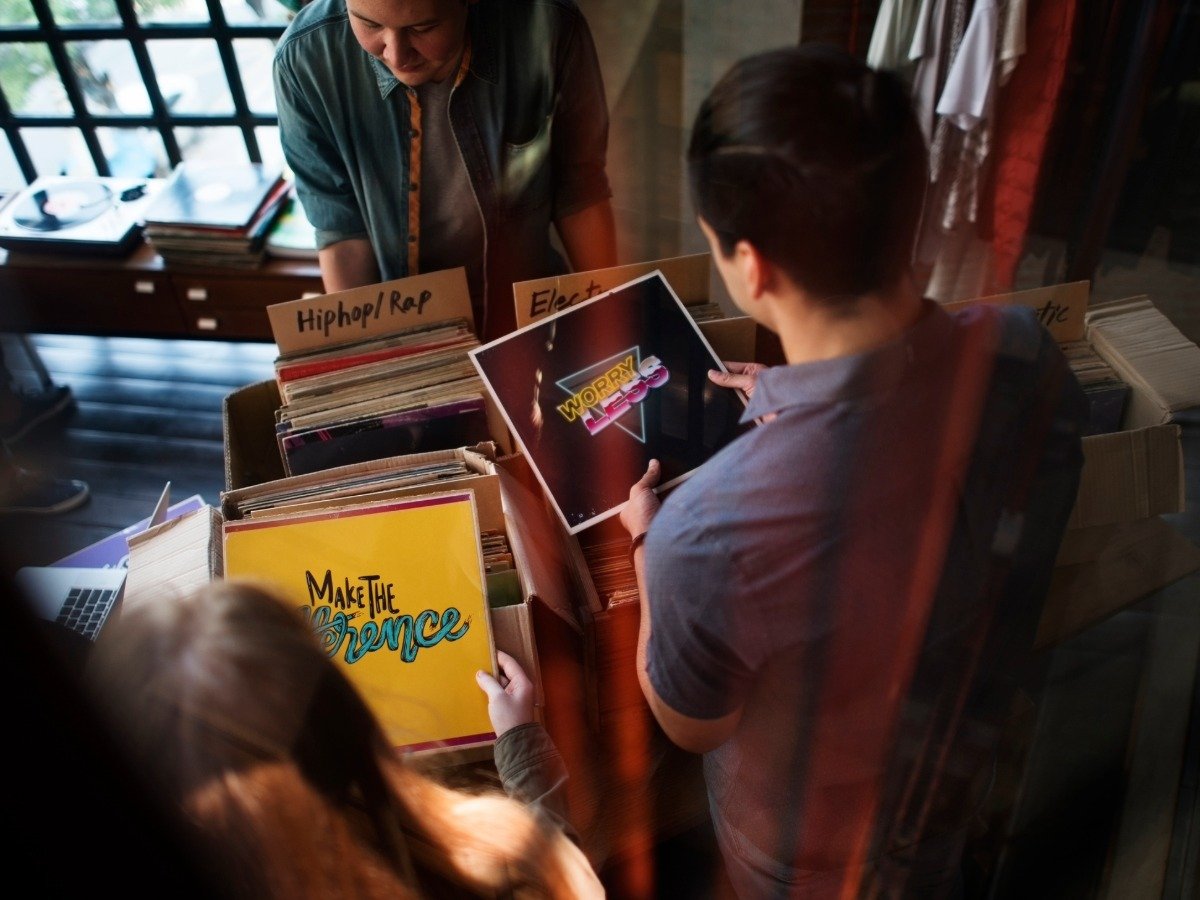
Above: Record Store Day brings new people through the door, not just regulars.
What’s Changed and What Hasn’t
The tools have changed, and the number of systems involved in running a record store has grown along with the pressure to stay accurate on high-volume days. But the reason people show up on Record Store Day is the same as it's always been. They're looking for something specific, and they're hoping to find something they weren't expecting. There's something about doing that in a physical store — surrounded by other people who care about the same things — that streaming algorithms haven't managed to replicate.
A Perspective from Inside Retail
FieldStack was built out of Bull Moose Music, where our founder and CEO Brett Wickard developed the software around problems he was living with behind the counter. Inventory accuracy under pressure, transactions stacking up, staff stretched thin while customers kept coming. Chris Brown, who helped get Record Store Day off the ground, is part of that same world.
When we talk about what a high-volume day looks like for a record store, we're drawing on direct experience. Record Store Day shaped how we thought about retail operations from the beginning: what breaks when demand spikes, what has to work without thinking, and what the people running the register at record stores actually need.
Ready for Record Store Day?
Record Store Day is one of the highest-pressure days a retail operation can run. If it's surfaced gaps in your inventory, your checkout flow, or your visibility into what was selling — that's worth paying attention to. We work with independent record stores to make sure those gaps are closed before the next big day hits.
What would a smoother Record Store Day look like for your stores? Let’s find out.